Home > About Us

About Us

Quiet-Oceans is a leading environmental consulting company specialising in underwater acoustics. Since 2010, our teams of more than 20 experts, based in Brest, France, has been supporting offshore industries and government agencies worldwide with innovative solutions for underwater noise measurement, modelling, environmental impact assessment, and noise management, helping clients meet environmental and regulatory requirements while protecting marine ecosystems.

Discover

Who Are We

Quiet-Oceans is a company specialised in subsea acoustics, providing advanced expertise to assess, monitor, and manage underwater noise and its impact on marine ecosystems. The company supports both governmental authorities and industrial stakeholders in conducting environmental impact assessments, baseline assessments, background measurement and ensuring regulatory compliance for a wide range of maritime projects, including offshore renewable energy, offshore construction, port and coastal infrastructure, and seismic surveys. With extensive experience in offshore wind and port developments across Europe, Quiet-Oceans contributes to securing projects while minimising environmental risks.​

Quiet-Oceans combines operational forecasting, in-situ acoustic measurements, and advanced modelling capabilities to deliver comprehensive and reliable insights into underwater noise. Our solutions include:

  • Quonops©, an operational platform for acoustic forecasting and monitoring
  • Real-time and long-term in-situ acoustic measurements, including passive acoustic monitoring and underwater radiated noise (URN) assessments
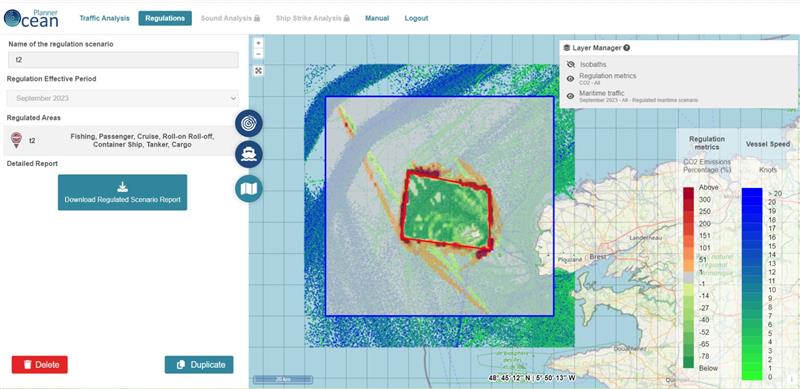
  • Ocean Planner, a modelling tool designed to support maritime spatial planning and evaluate the environmental and operational implications of maritime activities.​

In addition to operational services, Quiet-Oceans is actively involved in research and innovation to improve the understanding and management of underwater noise. The company contributes to achieving Good Environmental Status in European waters and supports stakeholders in implementing sustainable and science-based approaches to marine development and conservation.​

The challenge of underwater noise : ​
Enabling ocean development in harmony with marine life​

Essential to global economic development, human activities at sea, including shipping, offshore energy, defense, construction, and exploration, are placing increasing pressure on marine ecosystems. Among these pressures, anthropogenic underwater noise is now recognized as a major source of disturbance for marine species.​

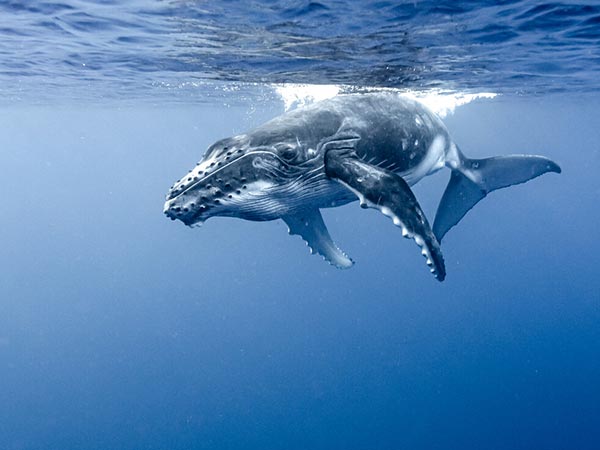
Since the 1980s, the scientific community has identified correlations between certain acoustic sources, particularly sonar exercises, and mass strandings of marine mammals. These findings have led to extensive research demonstrating that underwater noise can affect communication, behavior, navigation, and, in some cases, the survival of marine species.​

This issue has gained increasing attention from policymakers, regulators, and civil society. In Europe, regulatory frameworks such as the Water Framework Directive (2000) and the Marine Strategy Framework Directive (MSFD, 2008/56/EC) establish the protection of the marine environment as a priority, recognizing it as a “precious heritage that must be protected, preserved and, where practicable, restored.” The MSFD specifically requires Member States to assess and maintain the Good Environmental Status (GES) of marine waters, including the evaluation and monitoring of underwater noise as a key environmental pressure.​

Within this framework, Quiet-Oceans supports public authorities, regulators, and industry stakeholders in assessing and managing underwater noise in compliance with the MSFD. Our integrated approach enables the mapping, monitoring, and statistical analysis of both continuous and impulsive noise sources, providing robust and scientifically grounded indicators to evaluate their potential impact on marine ecosystems and biodiversity.​

Today, any offshore project must include a comprehensive assessment of its underwater acoustic impact. Anticipating, measuring, and managing these impacts is essential not only to ensure regulatory compliance, but also to secure permits, reduce operational risks, and strengthen the environmental and social acceptability of offshore developments.

Discover our Solutions

Noise Impact Forecasting and Modeling

Underwater Noise Impact Assessment and Monitoring

Decision-support tool

Vessel Noise Monitoring & URN Measurements

Consulting Services
Noise Impact Forecasting and Modeling

Understanding and anticipating underwater sound propagation is a key step in planning offshore activities responsibly. By predicting acoustic conditions before operations design, potential environmental impacts can be assessed early, regulatory requirements can be addressed, and mitigation measures can be integrated into project design for permitting obtention.​

Quiet-Oceans develops high-performance acoustic modelling solutions powered by our proprietary Quonops platform, simulating the propagation of natural ambient noise and operational sound sources under realistic environmental conditions. By combining scientifically validated models with decades of operational experience, our forecasting capabilities deliver reliable sound maps, assess potential exposure of marine fauna, and support environmental impact assessments.

These solutions enable the evaluation of operational scenarios and mitigation measures, helping project developers to optimise planning, anticipate risks, and reduce acoustic impacts before activities begin.

Underwater Noise Impact Assessment and Monitoring

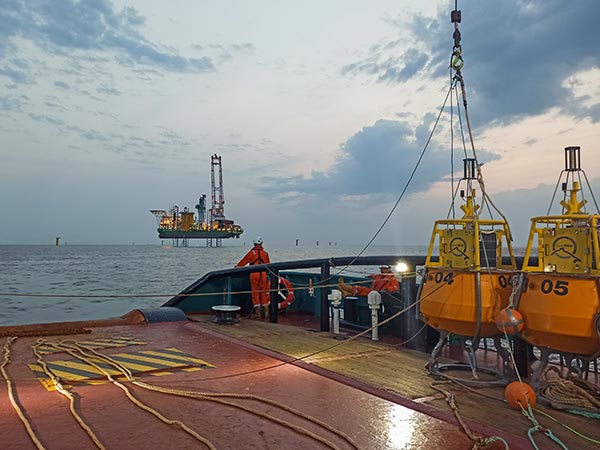
Every offshore project requires a monitoring strategy adapted to its environmental objectives and operational constraints. Quiet-Oceans designs and deploys underwater acoustic monitoring solutions that provide reliable data throughout all phases of a project.​

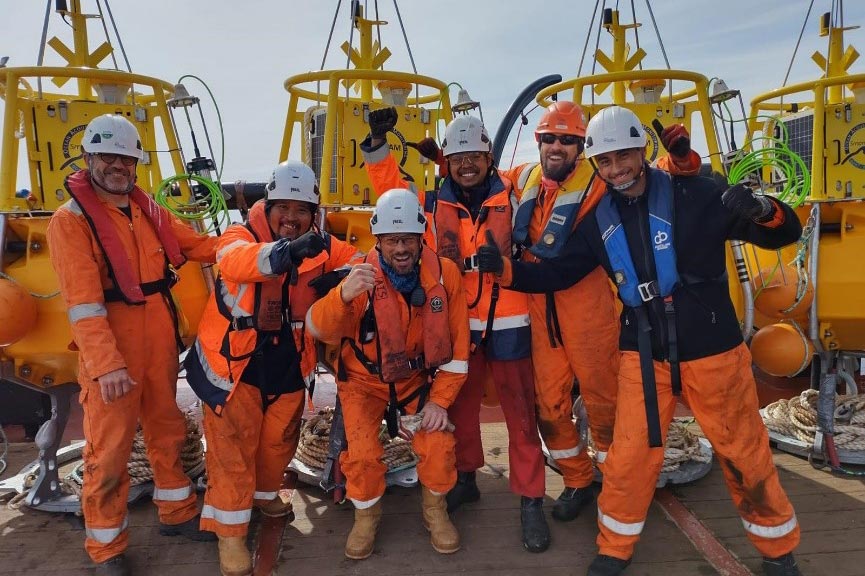
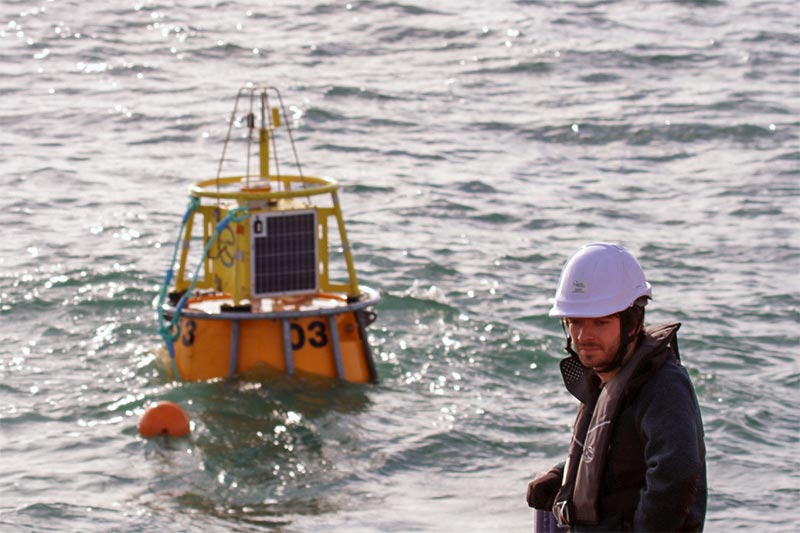
​Our range of systems extends from simple single-hydrophone deployments to autonomous seabed stations with dedicated post-processing analysis, as well as real-time monitoring solutions such as SmartPAM for noise level monitoring and marine mammals’ detections. Each configuration is engineered by our instrumentation specialists to match site conditions, project requirements, and regulatory expectations.​

​By combining robust instrumentation with scientifically validated analysis methods, our solutions accurately characterise underwater sound levels, monitor marine fauna, and assess compliance with environmental thresholds.​

​The collected information provides a solid basis for environmental impact assessments, supports the implementation and evaluation of mitigation measures, and helps stakeholders make informed decisions from baseline surveys through construction and operational monitoring.​

Decision-Support Tool

Making informed decisions in the marine environment requires more than accurate measurements or reliable predictions. It demands the ability to compare scenarios, quantify their consequences, and balance operational objectives with environmental considerations.​

Quiet-Oceans provides decision-support solutions that combine acoustic expertise, environmental datasets, predictive modelling, and monitoring results into clear, actionable insights. By evaluating alternative scenarios before implementation, our tools help identify risks, compare mitigation options, and support evidence-based planning.​

​Our Ocean Planner platform extends these capabilities through an interactive, web-based environment where users can explore the effects of different management strategies, such as routing changes, speed reductions, exclusion areas, or monitoring schemes. The platform enables transparent comparisons of environmental and operational outcomes, facilitating constructive discussions between developers, regulators, and environmental stakeholders.​

​Supported by our scientific expertise, these decision-support tools provide a robust framework for marine spatial planning, environmental assessments, and the development of practical, balanced solutions that protect marine ecosystems while maintaining operational efficiency.

Vessel Noise Monitoring & URN Measurements

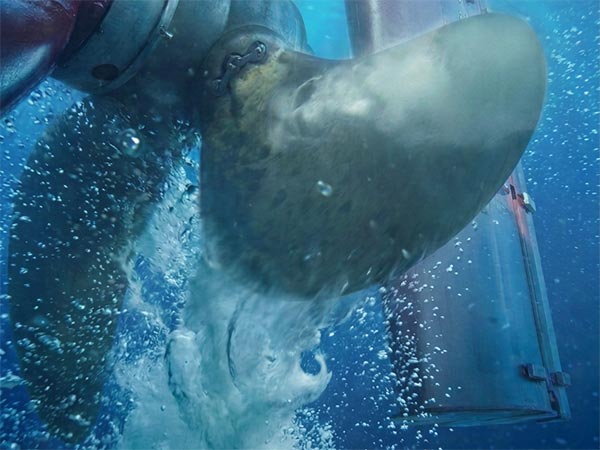
Reducing underwater noise from shipping starts with accurately characterising vessel acoustic emissions. Quiet-Oceans provides Underwater Radiated Noise (URN) measurement services that deliver reliable data to support environmental performance assessments, certification processes, and compliance with international standards.

Measurements are performed using calibrated instrumentation and recognised methodologies, including protocols compliant with the Bureau Veritas NR614 rule. As an authorised provider, Quiet-Oceans delivers certification-ready URN results that can be used for regulatory reporting and voluntary environmental labelling initiatives.

Beyond dedicated measurement campaigns, we also offer flexible in-service monitoring through SmartURN, our autonomous buoy-based solution. Deployed in strategic maritime areas, SmartURN continuously records the acoustic signatures of passing vessels under real operating conditions, providing a practical way to assess underwater noise without dedicated sea trials.

By combining certified measurement capabilities with innovative monitoring technologies, Quiet-Oceans helps shipowners, ports, and maritime authorities better understand vessel noise emissions, monitor fleet performance, and contribute to global initiatives aimed at reducing the impact of shipping noise on marine ecosystems.

Consulting Services

Managing underwater noise requires a comprehensive understanding of scientific, regulatory, and operational challenges. Quiet-Oceans provides expert consulting services to support stakeholders in developing effective approaches to assess, reduce, and manage acoustic impacts in marine environments.

From the earliest stages of project development to long-term operational follow-up, our specialists work alongside public authorities, offshore developers, and maritime organisations to provide independent, science-based guidance. Our expertise combines advanced acoustic knowledge, field experience, monitoring capabilities, and modelling approaches to address the specific needs of each project.

Our consulting expertise covers a wide range of applications, including underwater noise impact assessments, support for Environmental Impact Assessments and regulatory processes, proposal of mitigation strategies, interpretation of acoustic data, and preparation of technical reports. We also provide scientific expertise to contribute to policy development and support decision-making by public and international organisations.

By connecting scientific knowledge with practical project requirements, Quiet-Oceans helps stakeholders navigate complex underwater noise challenges and implement solutions that are both environmentally effective and operationally realistic.

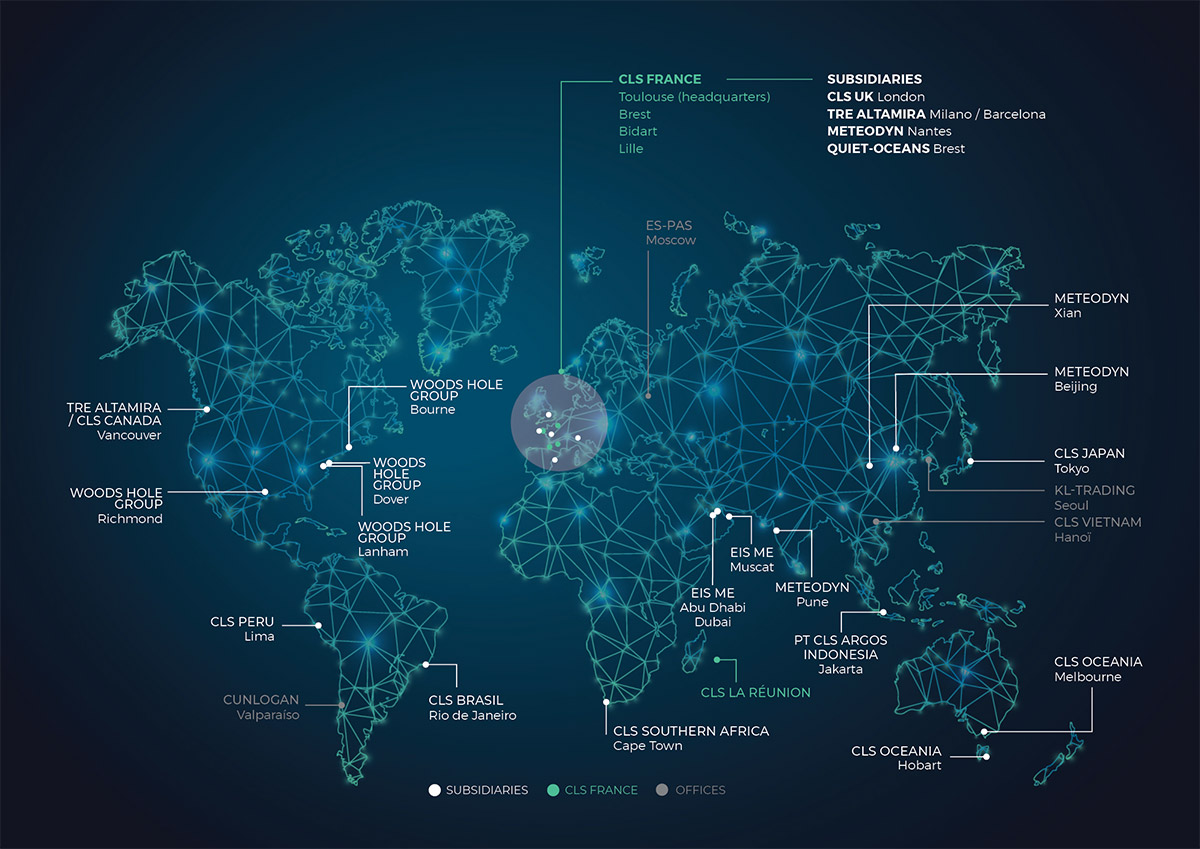
CLS Group with you Worldwide

CLS employs 1,200 people at our headquarters in Toulouse, France, and in 41 locations around the world.
CLS, a Commited Company

  • The UN has set 17 goals to save our planet.
  • CLS contributes to 13 of them.
  • We are proud that 90% of our activities are directly linked to achieving these sustainable development goals.

UN Sustainable Development Goals